Books
Facing disability for the first time can be overwhelming, but books offer valuable insights and guidance. We’re creating a list of resources to help you understand and navigate this challenge effectively.
This initiative is powered by volunteers. We encourage people to recommend books on disability in any language, contribute reviews, helping a wider audience benefit from these resources.
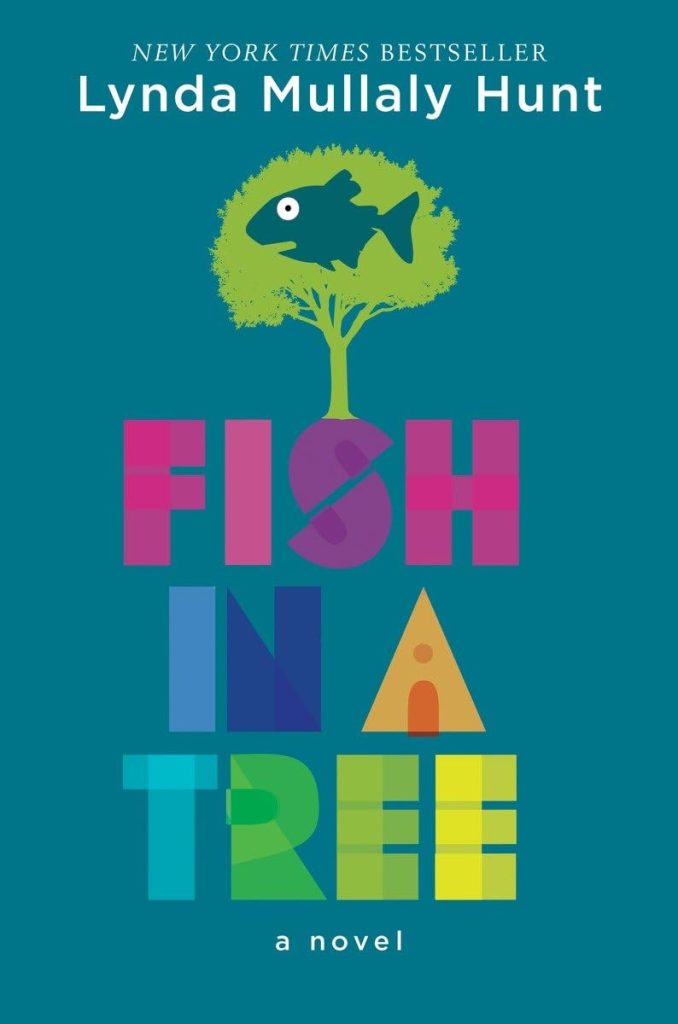
Title: Fish in a Tree
Author: Lynda Mullaly Hunt
Category: Realistic-Fiction
Review of the book:
Fish in a Tree by Lynda Mullaly Hunt is a deeply engaging exploration of a young girl’s struggles with dyslexia, and I found it impossible to put down once I began reading. Through Ally, a creative and spirited fifth-grader, the narrative immerses us in her world. It illustrates a place where challenges often go unseen, highlighting the importance of empathy toward disabilities that aren’t immediately visible.
Ally’s journey is one of resilience as she grapples with daily frustrations, often disguising her struggles with humour and defiance. The writing allows readers to step into Ally’s shoes, fostering an understanding of the emotions and hurdles faced by those with invisible disabilities. This perspective is crucial, especially in today’s social setting, where neurodiversity plays an essential role in enriching our communities.
A cornerstone of Ally’s story is Mr. Daniels, her insightful teacher. His unwavering support illustrates the transformative power of empathy and understanding in education. By recognizing and valuing each student’s unique strengths, he creates an environment where differences are celebrated rather than stigmatized.
The pacing and emotional depth of the book kept me turning pages late into the night. The portrayal of the plot encourages readers to reflect on their own perceptions and assumptions about learning differences, urging a shift toward a more inclusive mindset. Fish in a Tree is not just about dyslexia, it champions the importance of empathy and the diverse ways people think and learn.
As we navigate a world that thrives on diversity, this book serves as a poignant reminder that everyone deserves to be seen and heard, regardless of their abilities. It is essential reading for anyone wishing to foster understanding and inclusivity in classrooms, workplaces, and communities, where every voice is valued and respected.
Review by Arthi Krishnamachari
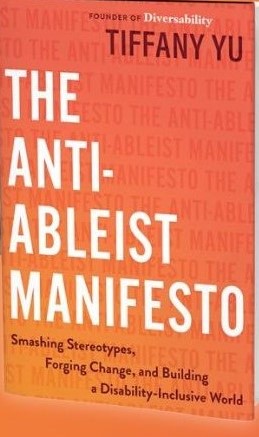
Title: The Anti-Ableist Manifesto
Author: Tiffany Yu
Category: Non-Fiction
Review of the book:
The Anti-Ableist Manifesto is a powerful, thought-provoking guide that breaks down ableism and offers tangible steps toward meaningful ally ship. Tiffany addresses how we can foster disability inclusion across personal, professional, and political spaces. She weaves together insights from disability advocates, scholars, entrepreneurs, and educators, presenting an intersectional approach to disability justice.
In her book, Tiffany guides readers on how to truly support disabled people within our communities, offering practical ways to recognize and eliminate micro aggressions and ableist language. She emphasizes the importance of increasing accessibility in both public and professional settings and provides insights on designing events that are truly inclusive and accessible for all.
I highly recommend pre-ordering your copy of this essential book. Trust me, you won’t want to miss it!
Review by Puneet Singh Singhal
Co Founder, Billion Strong,
Curator, Green Disability
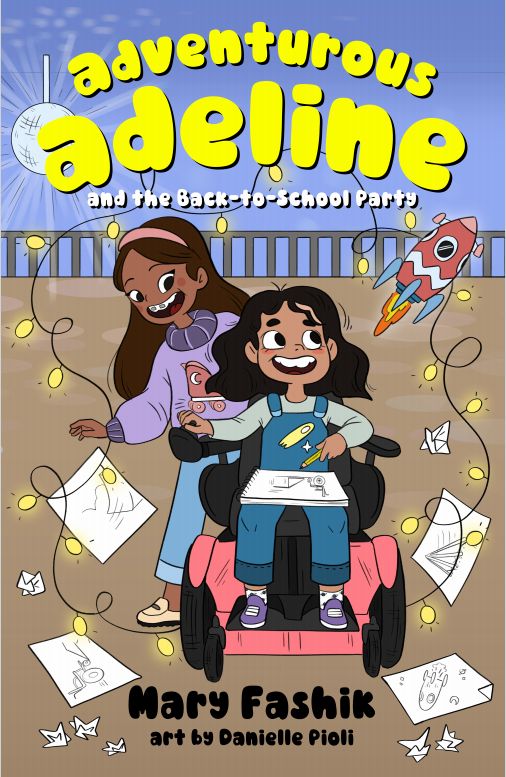
Title: Adventurous Adeline
Author: Mary Fashik
Category: Non-Fiction
Review of the book: In Adventurous Adeline, Mary Fashik gives us a heartwarming tale that is not only entertaining but deeply meaningful. The book follows STEM enthusiast Adeline and her best friend, Maya, on a mission to solve accessibility issues, and their friendship becomes a powerful metaphor for inclusion. And I love these beautiful illustrations by Danielle Pioli.
With Adeline’s robotics skills and Maya’s creativity, the two girls dream up inventions to make life more accessible, starting with a chair that could help Adeline feel included at a party.
What’s so refreshing about this story is how it tackles accessibility through the lens of friendship, innovation, and the everyday challenges disabled people face.
Adeline’s struggles with her wheelchair are portrayed with a gentle honesty that young readers will relate to—whether or not they have a disability.
The emotional depth of Adventurous Adeline comes through in its powerful question: is it up to Adeline to invent something to help her feel included, or should society step up and create spaces where she’s already welcome? This is a question that resonates far beyond the pages of the book and invites readers to reflect on their role in making the world more accessible for everyone.
The author, Mary Fashik, herself a force in disability inclusion advocacy, seamlessly weaves in themes of empowerment, disability justice, and the importance of community. You can feel her passion for equity and intersectionality in every sentence.
Young readers will come away from this book not just with a fun story, but with an understanding of why accessibility matters—and how friendship, empathy, and creativity can help us tackle even the most daunting challenges.
Adventurous Adeline is an inspiring read that’s perfect for young minds and a must-have for every classroom bookshelf.
Review by Puneet Singh Singhal
Co Founder, Billion Strong,
Curator, Green Disability
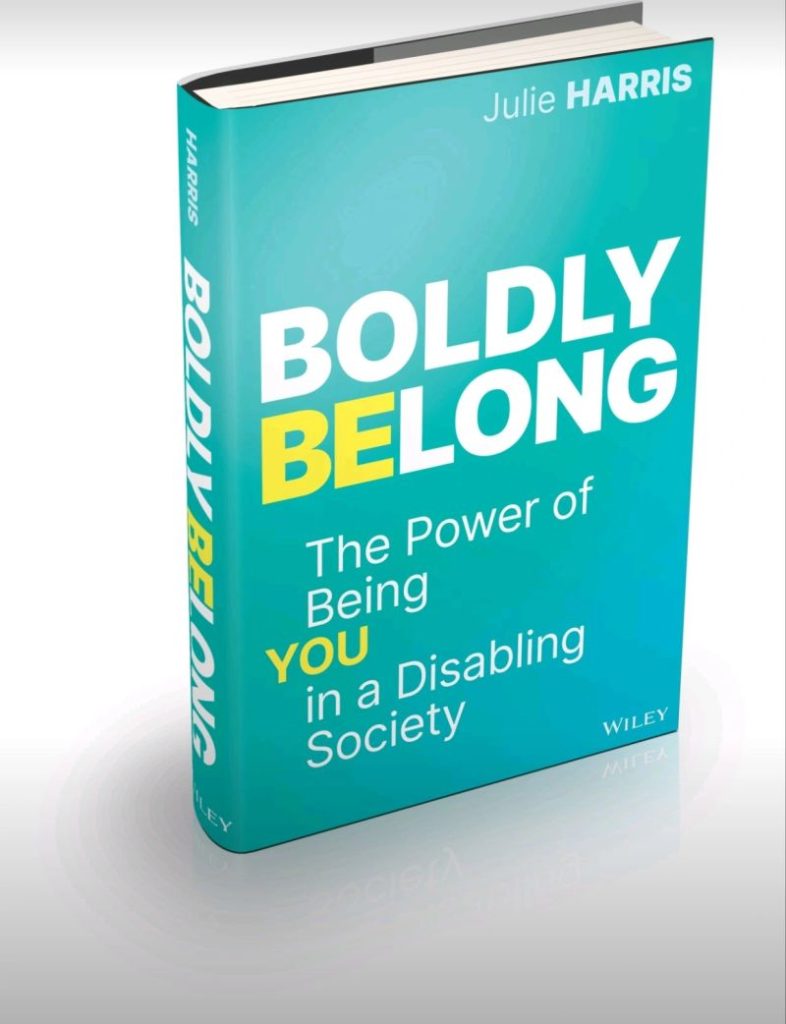
Title: Boldly Belong
Author: Julie Harris
Category: Non-Fiction
Review of the book: I’m so stirred to share a truly remarkable book with you—Boldly Belong: The Power of Being YOU in a Disabling Society by Julie Harris. (Though I know this book or Julie Harris doesn’t need any promotion by me, it is just an admiration post.)
This book takes us to an empowering journey through self-advocacy, self-acceptance, and how deeply disability stigma can shape our sense of identity.
Julie beautifully navigates those complicated emotions like shame, guilt, and the struggle to feel authentic and truly belong in a society that often feels excluding.
What makes Boldly Belong stand out is how it tackles the internalized ableism many people with disabilities face. It forces us to confront the narratives we’ve absorbed about ourselves while offering a roadmap to find strength, pride, and power in who we are.
Julie doesn’t shy away from the hard truths about how society can disable us. But through her thoughtful approach, she gently guides us toward embracing every part of ourselves—showing us that belonging starts from within.
If you’ve ever felt the weight of societal expectations or struggled to navigate your own identity in a world that demands conformity, this book is a must-read.
Highly recommend it for anyone ready to explore the power of self-advocacy and to those wanting to better understand the emotional complexities that come with disability.
Grab your copy, and let’s continue the conversation about what it truly means to belong!
Review by Puneet Singh Singhal
Co Founder, Billion Strong,
Curator, Green Disability
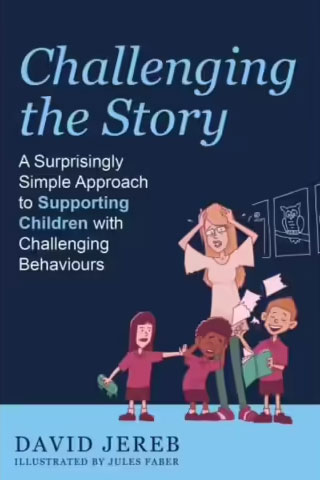
Title: Challenging the story
Author: David Jareb
Category: Non-Fiction
Overview of the book: Challenging the story by David Jareb is a practical and simple approach to bringing the best version of themselves in neurodivergent children. The book offers practical and simple approaches to help neurodivergent children become their best selves with the right guidance and support. By creating a positive and nurturing environment and embracing empathy, children with behavioural problems can grow and flourish. The book’s central theme revolves around transforming children with behavioural issues to bring out the best in them.
It tells the story of a teacher named Jenny, who has to handle three children with different sets of behaviours – Jesse, Emma, and Hendry. Jenny almost wants to give up teaching until she meets Mrs. Hoo, an expert at handling neurodivergent children. Jenny is greatly inspired by Mrs Hoo and follows her methods of being a part of the child’s journey, leading to great results.
The narrative is simple, and the book is a must-read for all those working with children whose behaviours are triggered by external factors. The illustrations are excellent, and the workbooks at the end of each chapter help bring about greater clarity in the given approaches. For those who cannot read long stories, there is a one-line summary at the end of each chapter followed by a reflection point.
The book’s reach should not be restricted to only an English-speaking audience, and it should be translated into all languages across the globe.
Overview contributed by Sowmya Simhan
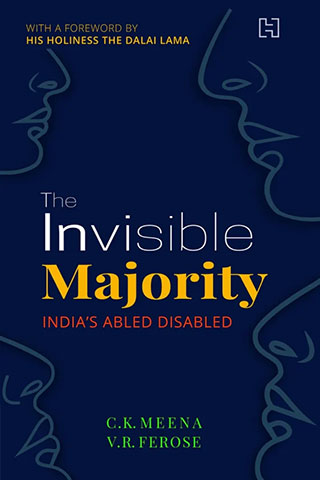
Title: The Invisible Majority, India’s Abled Disabled
Author: C.K.Meena and V R Ferose
Category: Non-Fiction
Overview of the book:
“The Invisible Majority” by C.K. Meena and V.R. Ferose is a book that thoroughly explores every aspect of the lives of people with disabilities, interspersing their in-depth analysis with real-life stories of triumph over adversity.
When you’re dealing with a challenge, discovering others who face similar struggles can provide comfort and a sense of connection. This book offers that same reassurance by highlighting how others confronted and managed similar issues.
Life of a person with a disability goes through various stages of life, each with its unique challenges, unanswered questions, unspoken issues, and unresolved problems. This book delves deeply into these issues, offering insight into how individuals have coped with them. While it does not provide specific solutions, it sheds light on real-life experiences and case studies that readers can find inspiring. The authors have met a host of people from the disability sector and the book is based on real life experience. Whether it’s the life of Nipun Malhotra or K.S.Vishwas or Shravya, each is an inspiration of how persons with diverse disability from diverse socio economic background have triumphed their disability.
It’s a must-read for young parents who are still coming to terms with the reality of their child’s condition.
Overview contributed by Sowmya Simhan